Jewels of Tears and Loss
Mourning jewellery used to be worn for the same reason we now cherish photographs of those who passed away – jewels were keepsakes, tokens of remembrance commissioned by the wealthy and handcrafted by the poor. They were usually made with locks of the deceased’s hair.
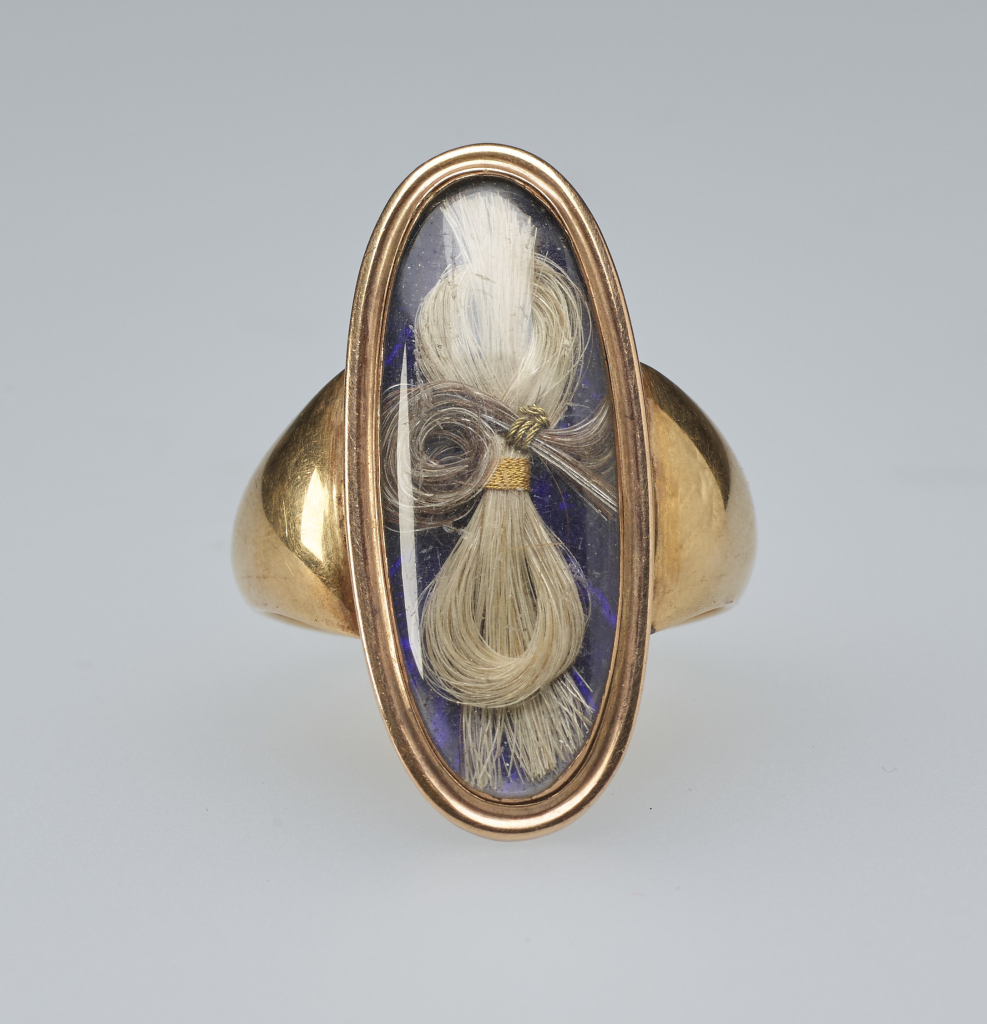
The now-forgotten custom of wearing mourning jewellery goes back to antiquity, but flourished between the Middle Ages and the turn of the 19th century. Popular vanitas symbols, such as the skull and crossbones, were initially meant to provoke thought on the transience of life and earthly goods. The motto Memento mori, literally meaning ‘Remember about death’, was etched on metal plates and conveyed a similarly moralizing message. During the Renaissance period, more and more attention was paid to personalizing mourning jewels. Historical records show that from the 16th century onwards, some wills included instructions about specific designs and funding for mourning jewels to commemorate the legator. Rings were commissioned most often.
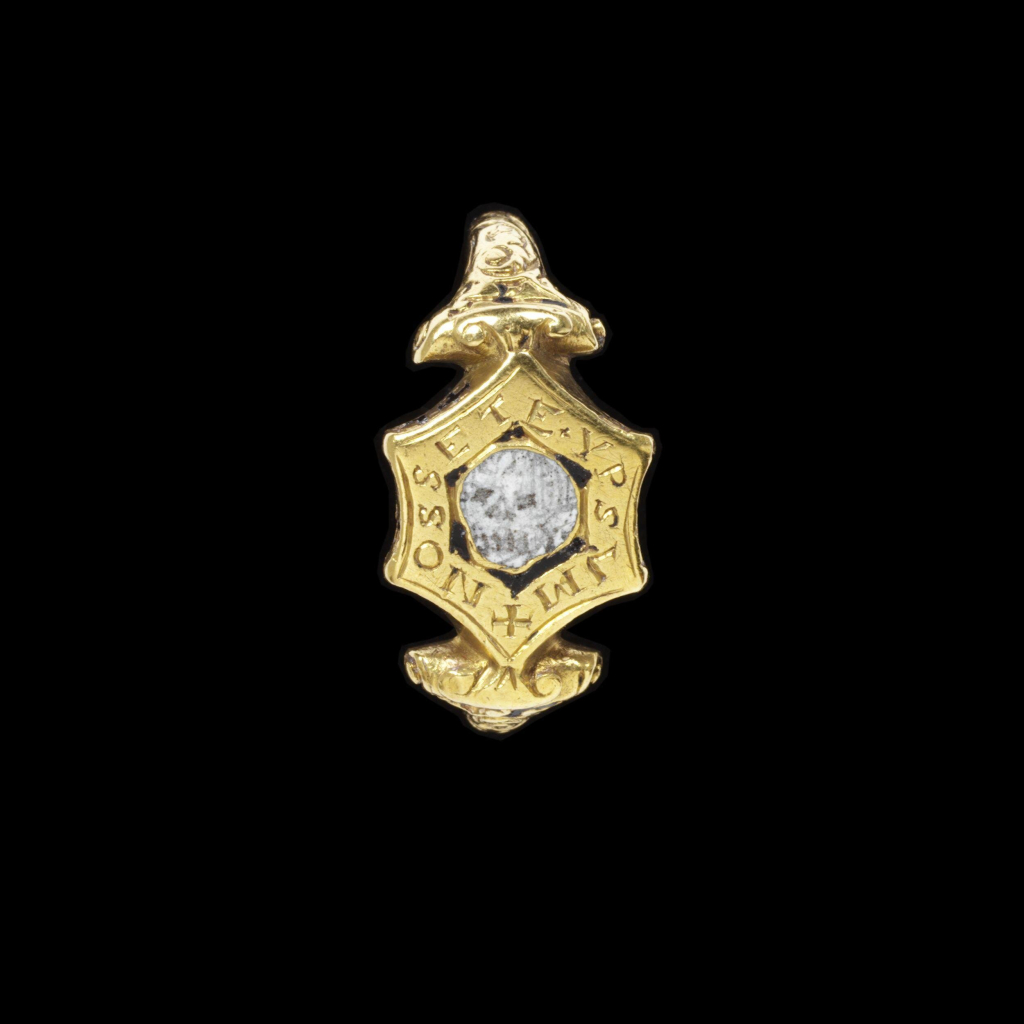
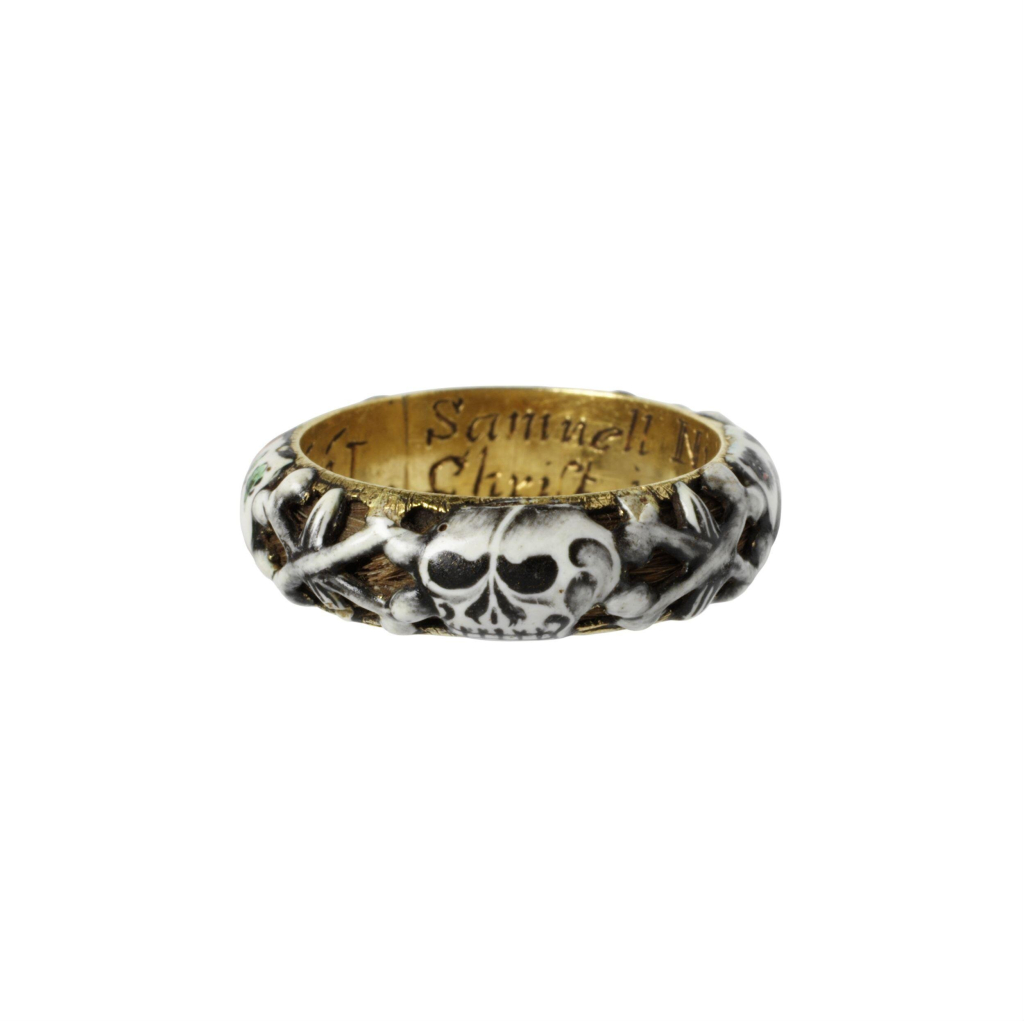
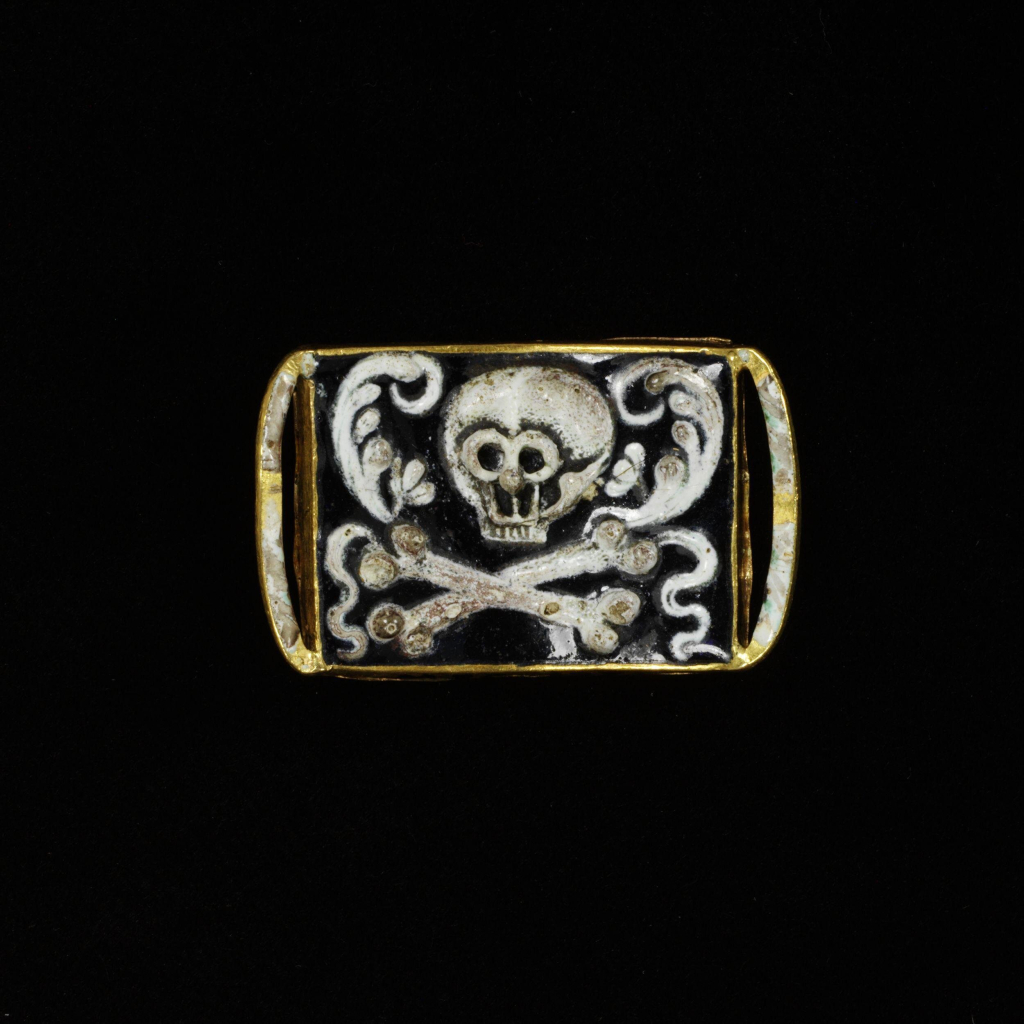
Mourning jewels were usually made of gold and decorated with black enamel as well as the above-mentioned symbols. Centuries passed and this style became the standard design, although more and more personal touches were added to the jewels. In the 17th century, mourning jewellery started featuring miniature portraits of the deceased. This custom may have been inspired by the rings of English royalists, set with depictions of King Charles I.
Despite a large following, Charles I was not a popular ruler. He showed absolutist inclinations, maintained ruthless tax policies and tried to take control of the Church, just like his father. His decisions antagonized the parliament and many of the king’s subjects, which eventually caused a civil war. The king’s defeat led to his tragic death. On 30th January 1649 in London, Charles I became the first and only English ruler to be sent to the scaffold and beheaded. His death marked a temporary end to the monarchy itself, and the reign was taken over by Oliver Cromwell as Lord Protector.
The king’s marginalized supporters started wearing jewels with his miniatures as a symbol of mourning and loyalty to the crown. In the Interregnum period the new government sequestered the estates of many loyalists, and so their monarchism had both ideological and economical foundations. By showing their loyalty, they hoped for compensation once the Stuarts eventually reclaimed the throne.
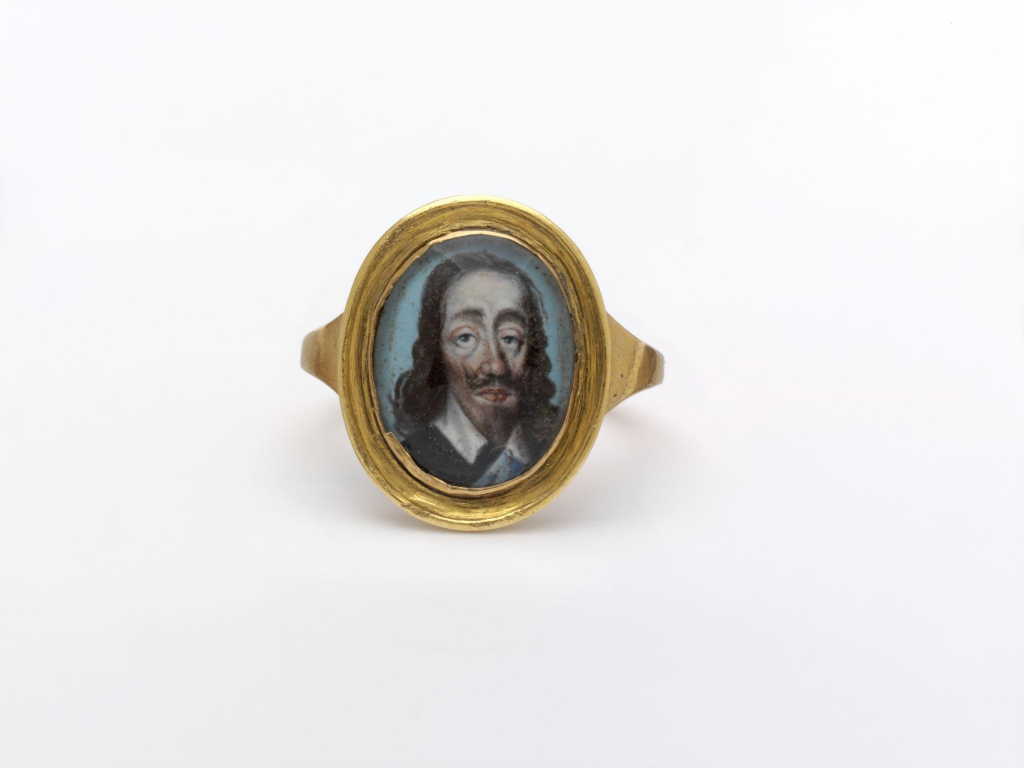
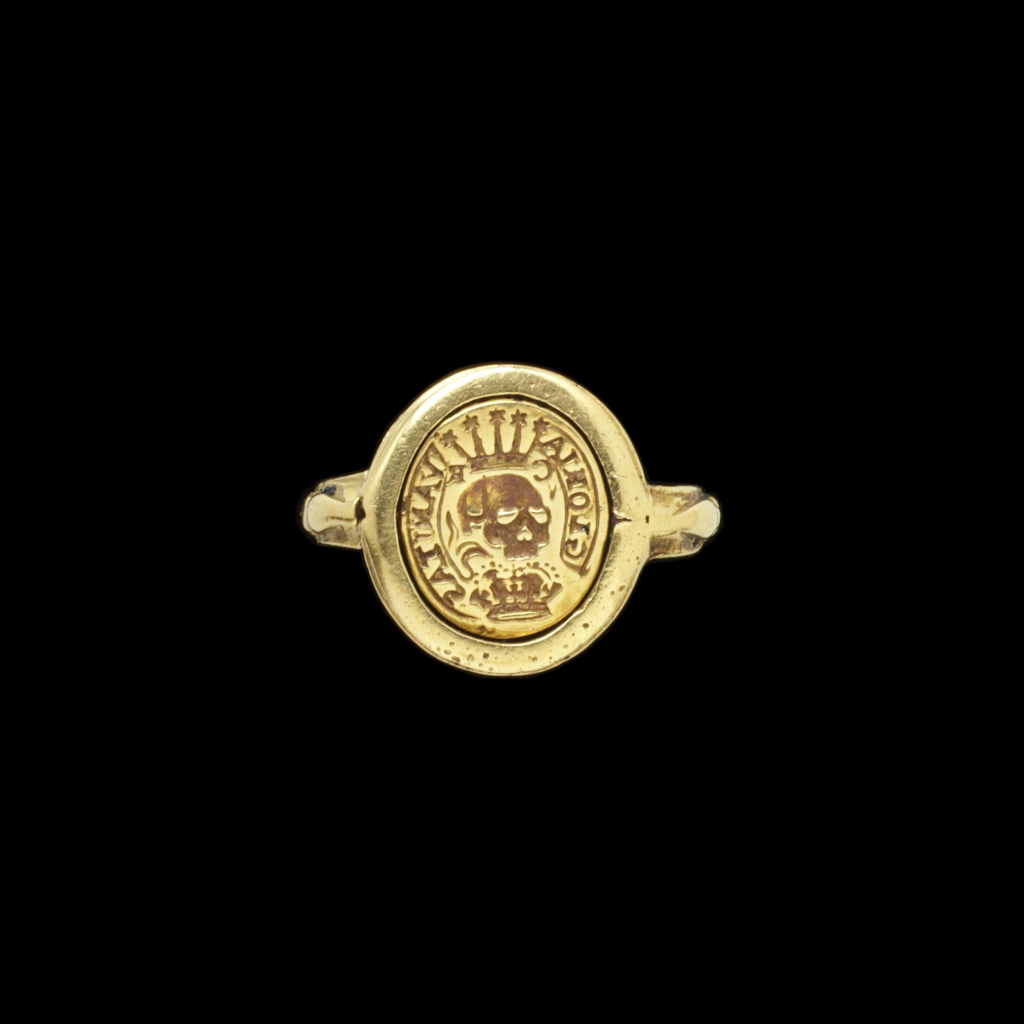
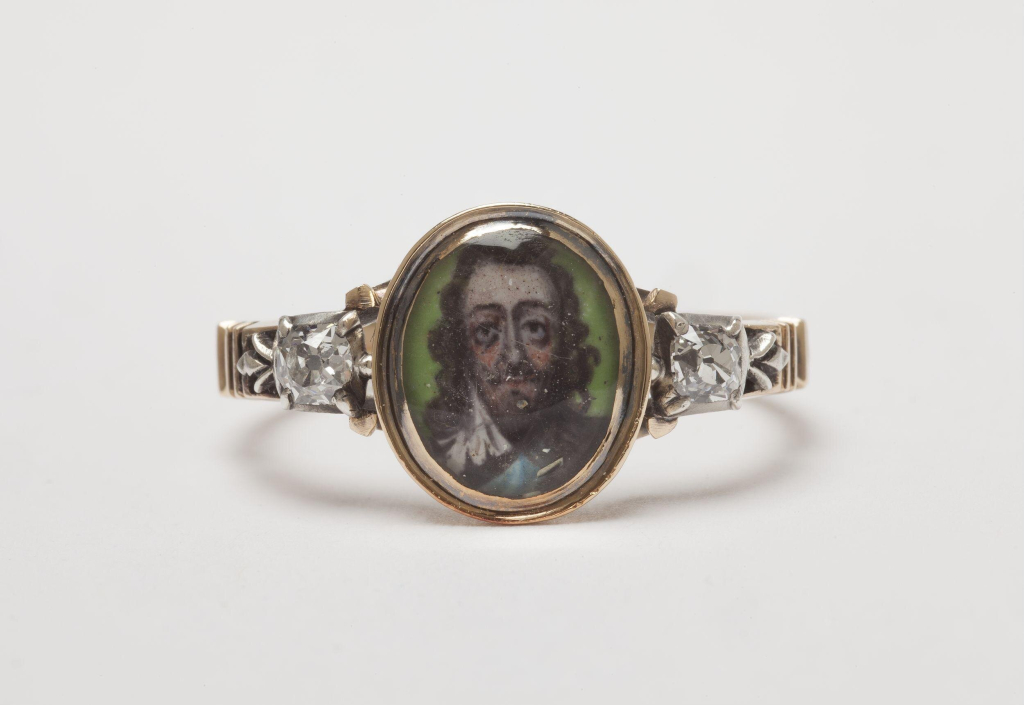
The jewels they wore had to be discreet in order to avoid the risk of exposure. Apart from the king’s miniatures set under crystal tablets, the jewels could be engraved with his initials or date of death. In those times of repression, commemorative jewellery was most often crafted in the form of lockets and other ornaments with small compartments that contained locks of the king’s hair or bits of cloth soaked in his blood. After the Restoration in 1660, jewellery worn in memory of the king’s death was legalized, but wearing it still bore political connotations – the jewels became a bone of contention between those who saw themselves as longstanding monarchists and the rest, whom they accused of sucking up to the new authorities.
Despite the conflicts they caused, mourning jewels worn in memory of the king are an important example of how different social classes united under a common cause: royalism. They also mark a crucial stage in the development of commemorative jewellery. Their symbolism was so much larger than royalism itself, since it represented the idea of commemorating death. Monarchist ornaments allowed for the evolution of jewels that expressed all kinds of grief over personal loss. Soon enough, commemorating the dead with jewellery became incredibly popular and goldsmiths developed a whole new branch of their craft that focused on mourning.
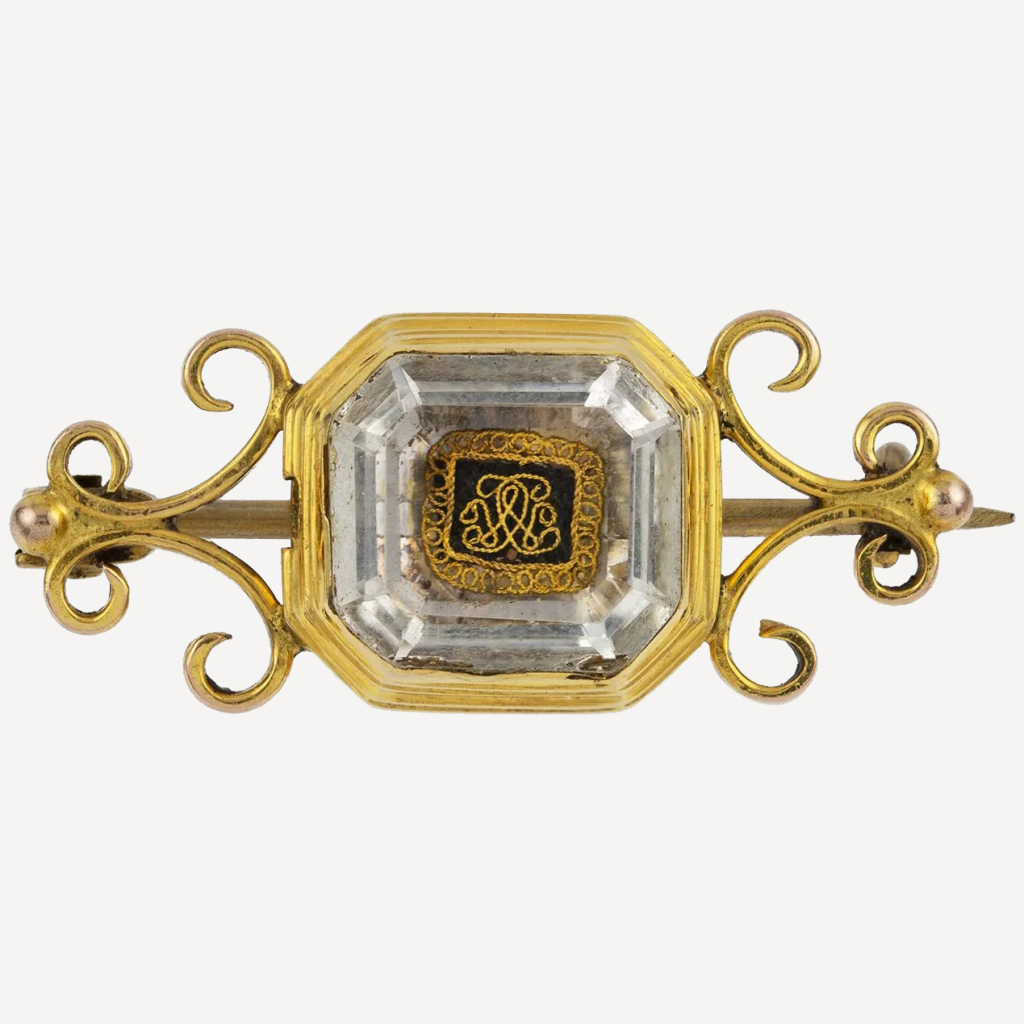
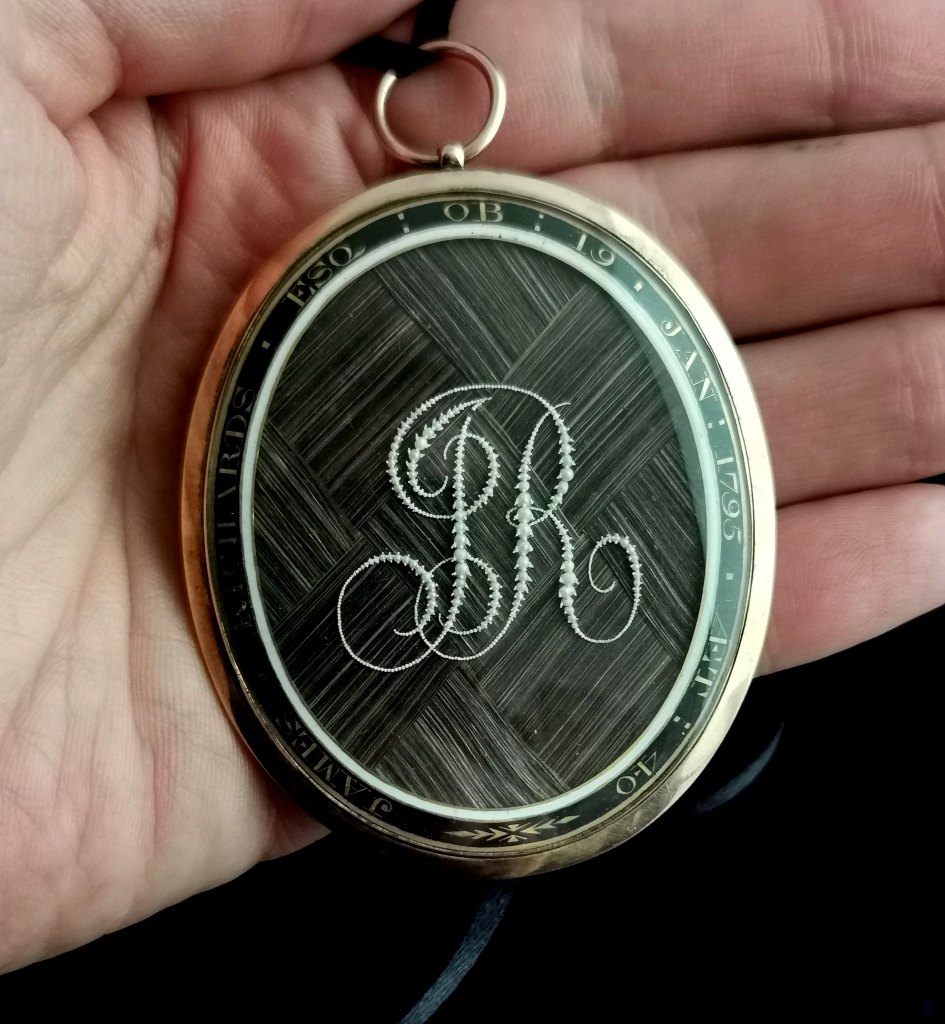
At the turn of the 17th century, few could afford enamelled or painted miniatures, so other elements were used to mark the relation between the ornament and the deceased. Apart from initials, inscriptions and death-related iconography, hair was exceptionally popular. It was set with great precision in rings, lockers, brooches, earrings, and even cufflinks. The 17th century is known for its characteristic jewel designs featuring flat crystals with faceted sides covering a composition of the deceased’s hair, intricately braided and decorated with small gold-wire monograms. Because of their origins, these ornaments are now called Stuart crystals.
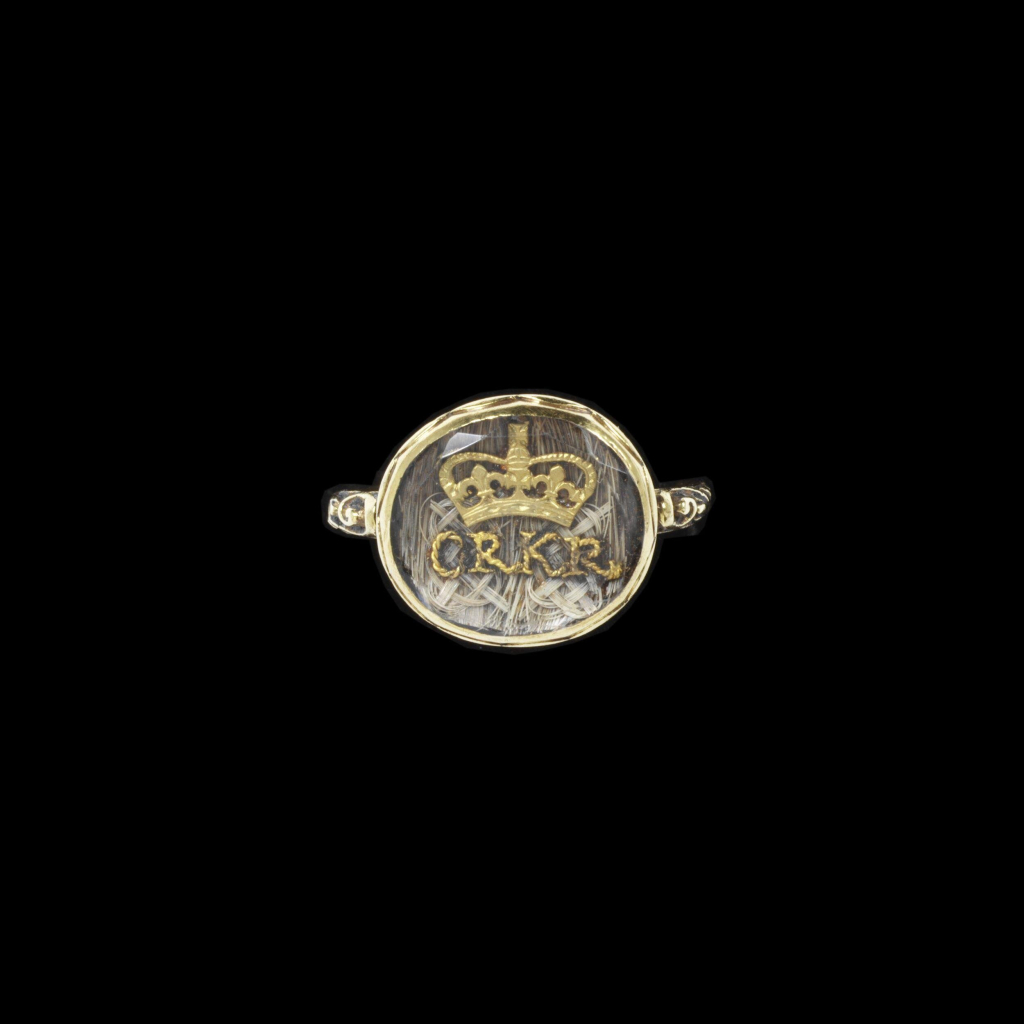
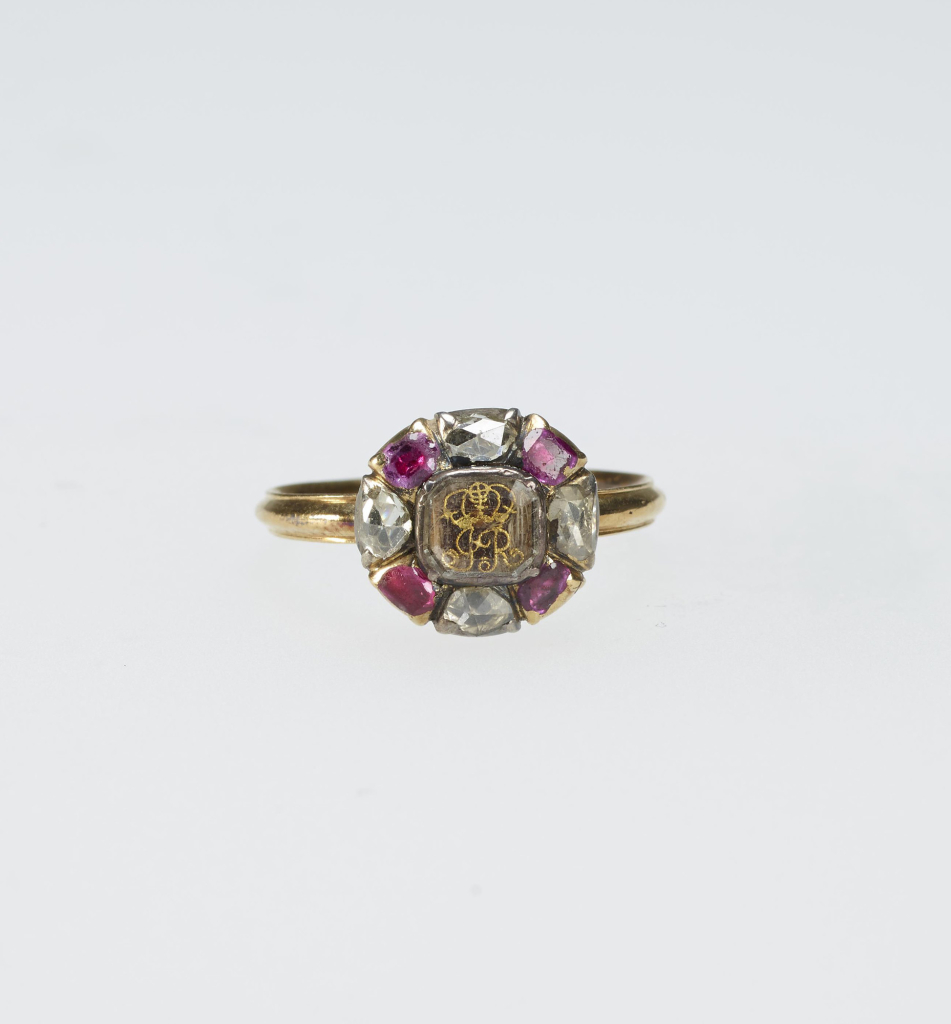
In those times, death was life’s steady companion. Due to wars, sicknesses (and numerous epidemics), difficult deliveries and a high mortality rate among children, it was next to impossible to meet someone who had not experienced loss. Funeral processions were part of everyday life in British cities. Depending on the social position of the deceased, sometimes even hundreds of people participated in these corteges.
The famous British government official and diarist Samuel Pepys noted that for the funeral of Sir Thomas Vyner, a goldsmith, two city halls had to be rented out, and they were all crowded anyway. On another occasion, Pepys mentioned that 400 or 500 mourners gathered at the funeral of his late cousin, Anthony Joyce. Such high attendance rates were not only caused by grief, but also the obligation to invite as many of the deceased’s friends and relatives as possible. Moreover, funeral practices included distributing black scarves, armbands and mourning rings that were allotted in accordance with the rank and type of the mourner’s relationship with the deceased. The expensive and ornamental rings included in the will were usually bequeathed to close family members. At the funeral of Samuel Pepys himself in 1703, as many as 123 rings of the more expensive kind were given out (they were divided into 10-, 15- and 20-shilling categories, with the rings in the latter category being worth approximately £100 in current value). The rings distributed at funerals did not have to be intricate: only simple inscriptions concerning the deceased were a must. Some of the well-connected mourners gathered whole caskets of mourning jewellery that was never worn and has survived to this day in pristine condition.
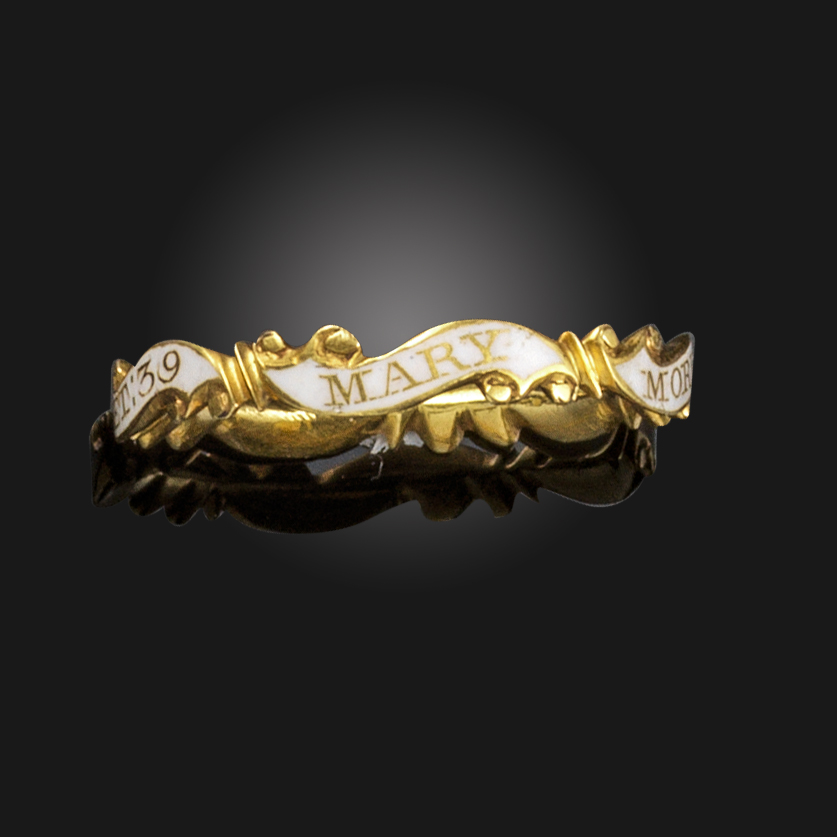
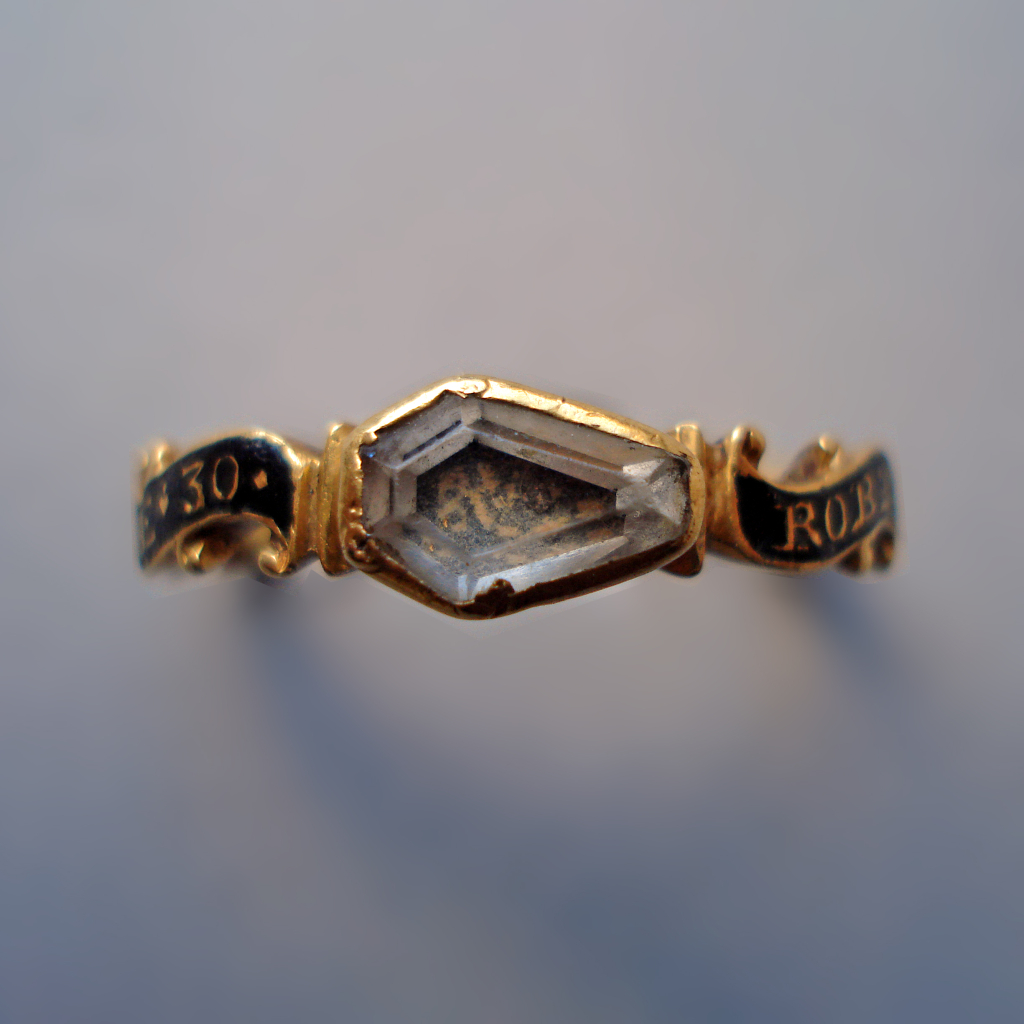
In 1742, the writer Edward Young published a poem entitled “The Complaint: or, Night-Thoughts on Life, Death, & Immortality”. The incredible popularity of his work almost certainly increased popular interest in mourning jewellery. At the same time, under the influence of rococo aesthetics, the crystal elements of mourning rings became smaller, taking on meaningful, ornamental shapes, for instance those of small coffins. Ring bands also became more fanciful. They resembled ribbons or scrolls, engraved with commemorative inscriptions dedicated to the deceased. Some rings were decorated with miniature skeletons made of ivory, enamel or paper. Mourning jewels were still manufactured in black or gold, but there were some exceptions, for instance white enamel rings, worn to commemorate children and unmarried adults.
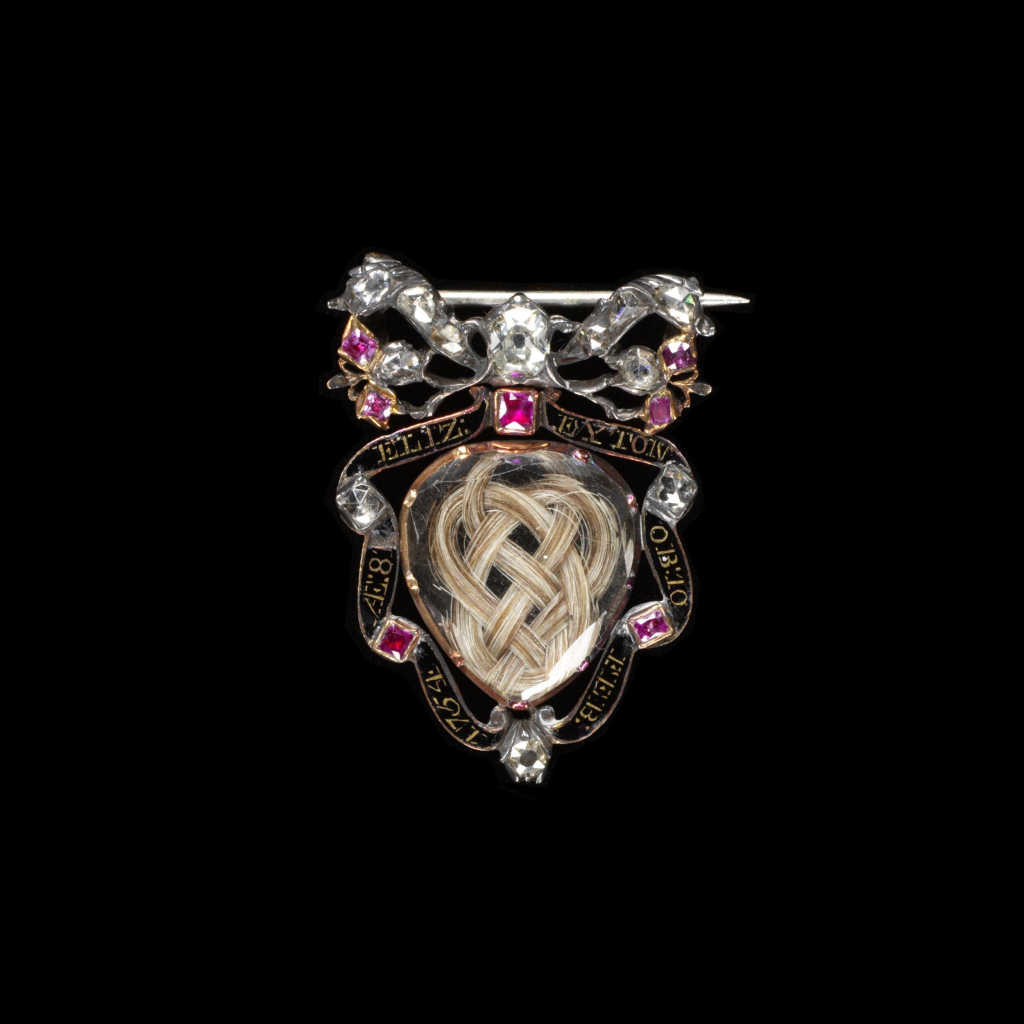
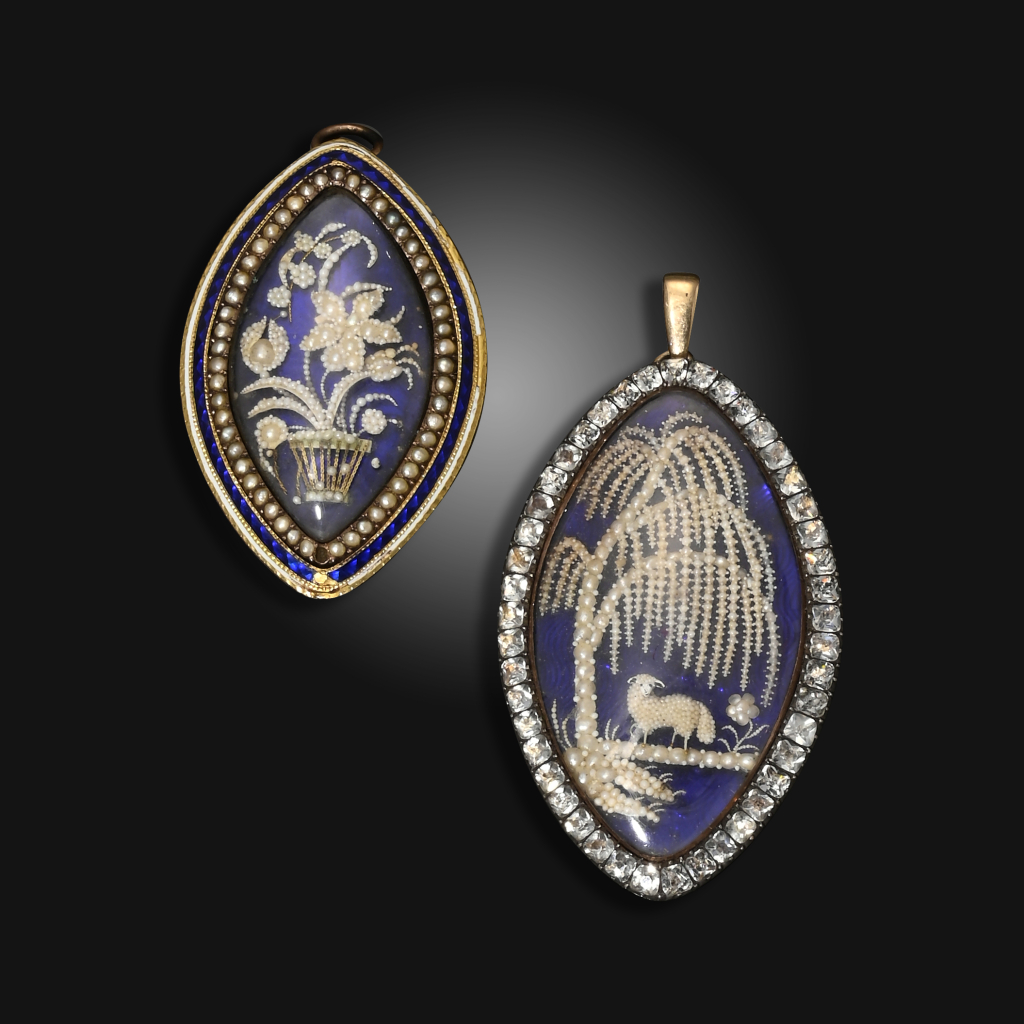
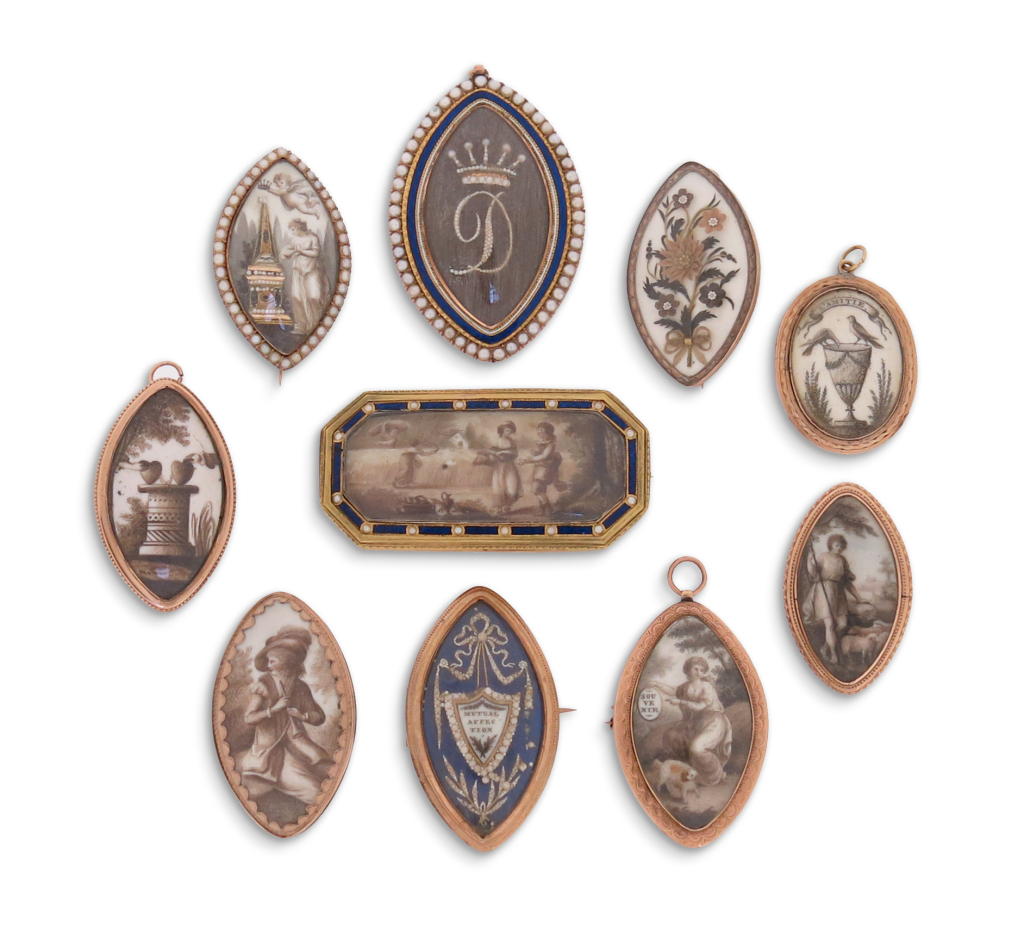
In the mid-18th century, rococo gave way to neoclassical styles and designs inspired by antiquity. Neoclassical ornaments were incredibly elegant and detailed. Different shades of gold were used, as well as coloured enamels or much-loved seed pearls, arranged into initials, ornaments, and even whole landscapes. Sentimental jewellery was also decorated with mourning miniatures painted on ivory or white enamel. They usually depicted sad scenes with a shrouded, grieving figure seated next to an urn placed under a weeping willow (the type of tree was symbolic, too). The long willow branches were sometimes fashioned from the deceased’s hair to personalize the ornament.
In the 1820s, decorative arts were conquered by the Gothic Revival (even though earlier periods were still duly referenced). Different jewellery styles were based on standardized designs, with black-and-gold colour sets triumphing once again. The ornaments were most often decorated with a characteristic, Gothic-style typeface. The visible parts of jewels usually featured the inscription “In memory”, and the inside facets were engraved with a commemorative text.
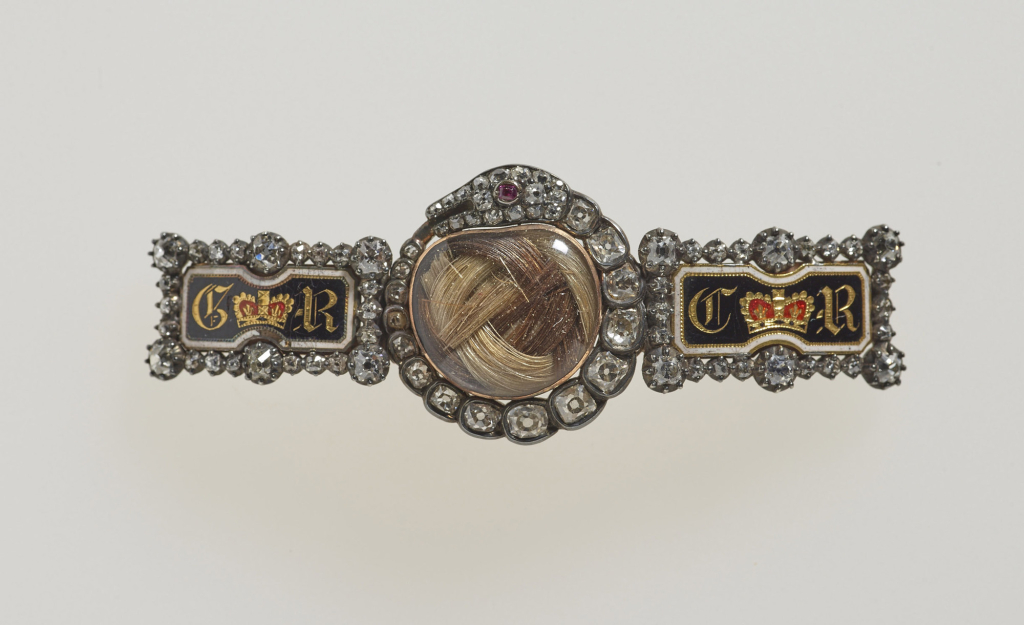
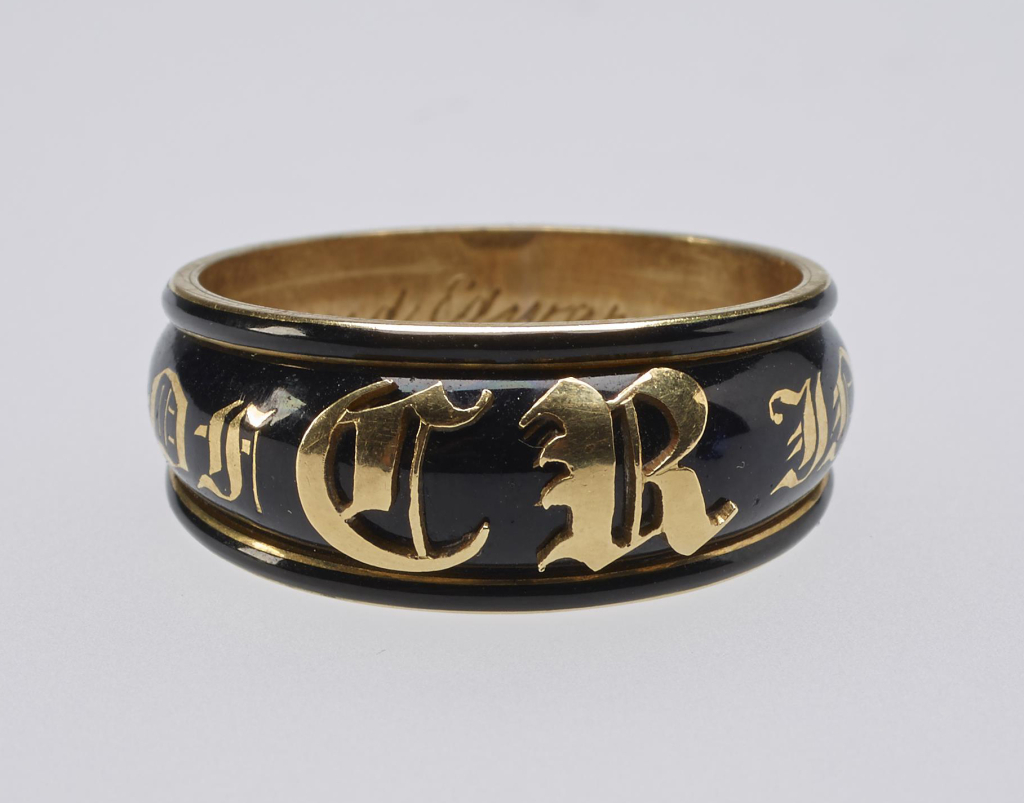
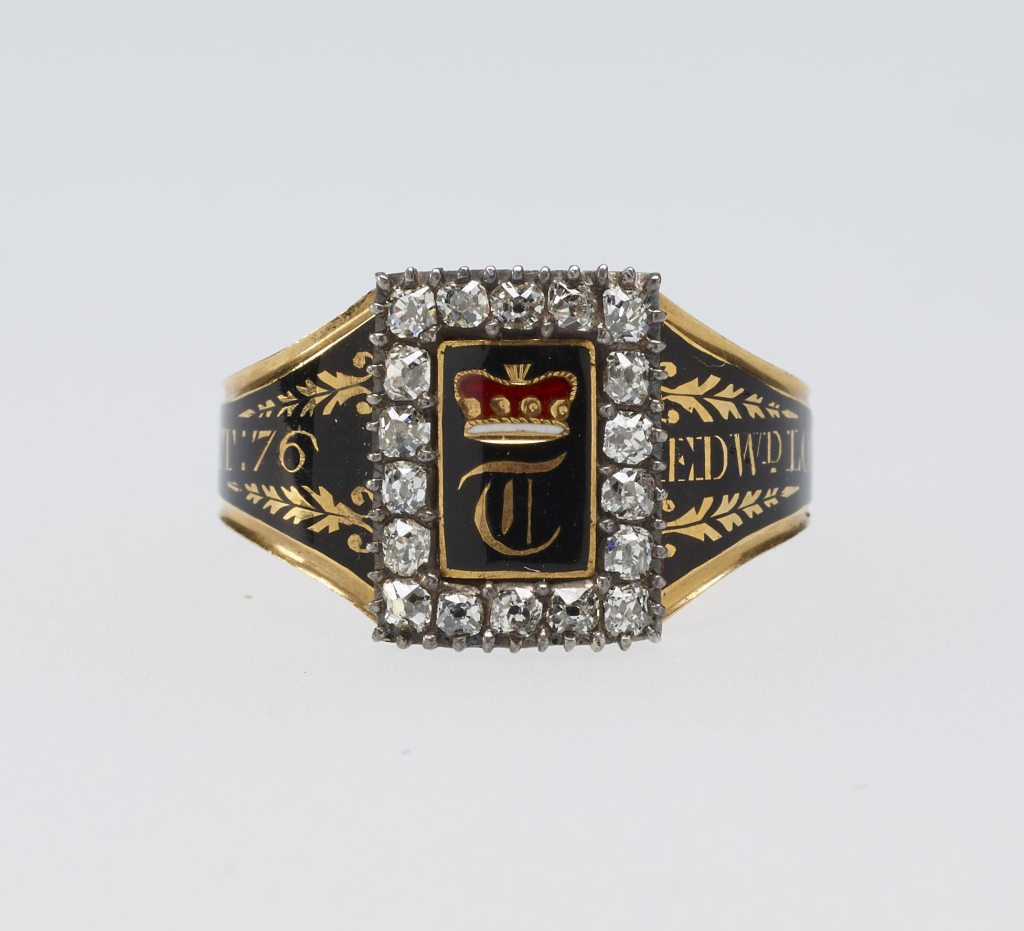
The Victorian era brought mourning rituals to a whole new level. After the death of Prince Albert in 1861, Queen Victoria was grief-stricken along with her courtiers, and expressed her sadness by adopting a series of personal grieving rituals. Her mourning lasted 40 years. In the meantime, the Queen ordered that the palace be kept in the state it was in on the day of Albert’s death. The servants arranged the Prince’s wardrobe, prepared the bedlinen and hot water for shaving as if he were still alive. Due to the development of photography, some of Victoria’s mourning habits became public. Because of the existing conventions and rigid social norms that shaped almost every aspect of everyday life in the United Kingdom, the Queen’s grief became a paragon of virtue.
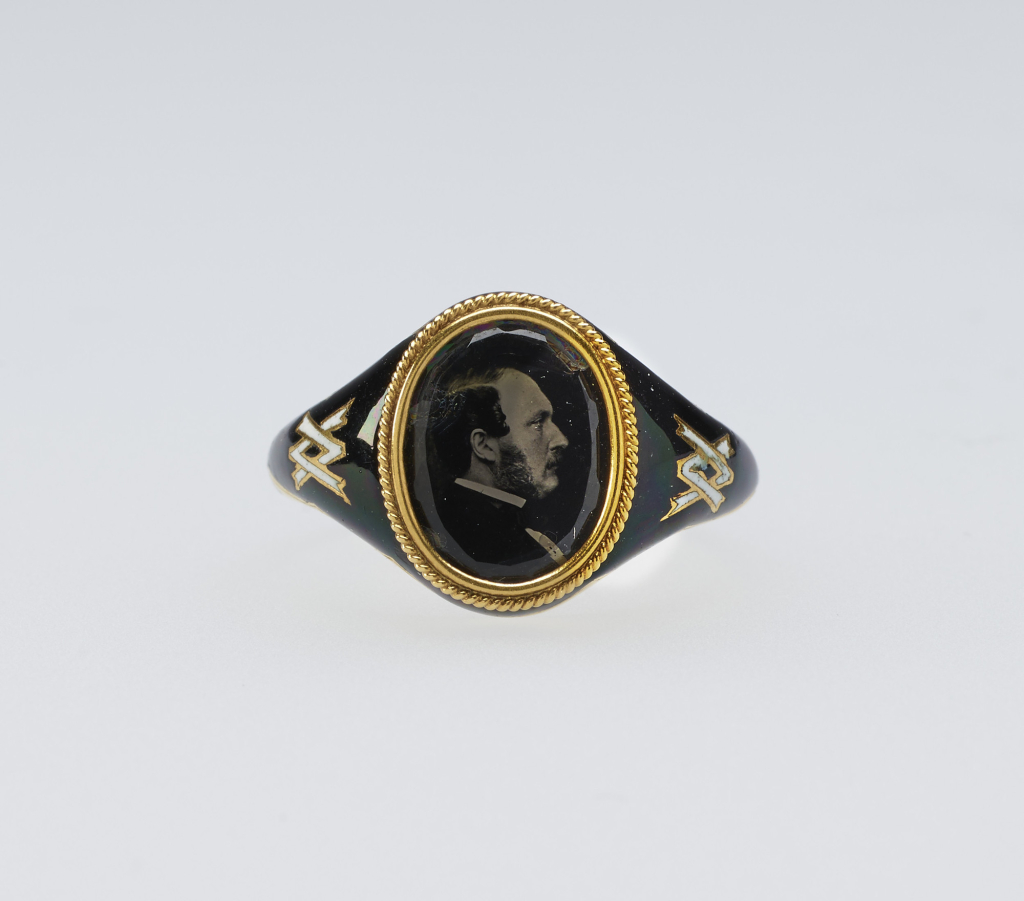
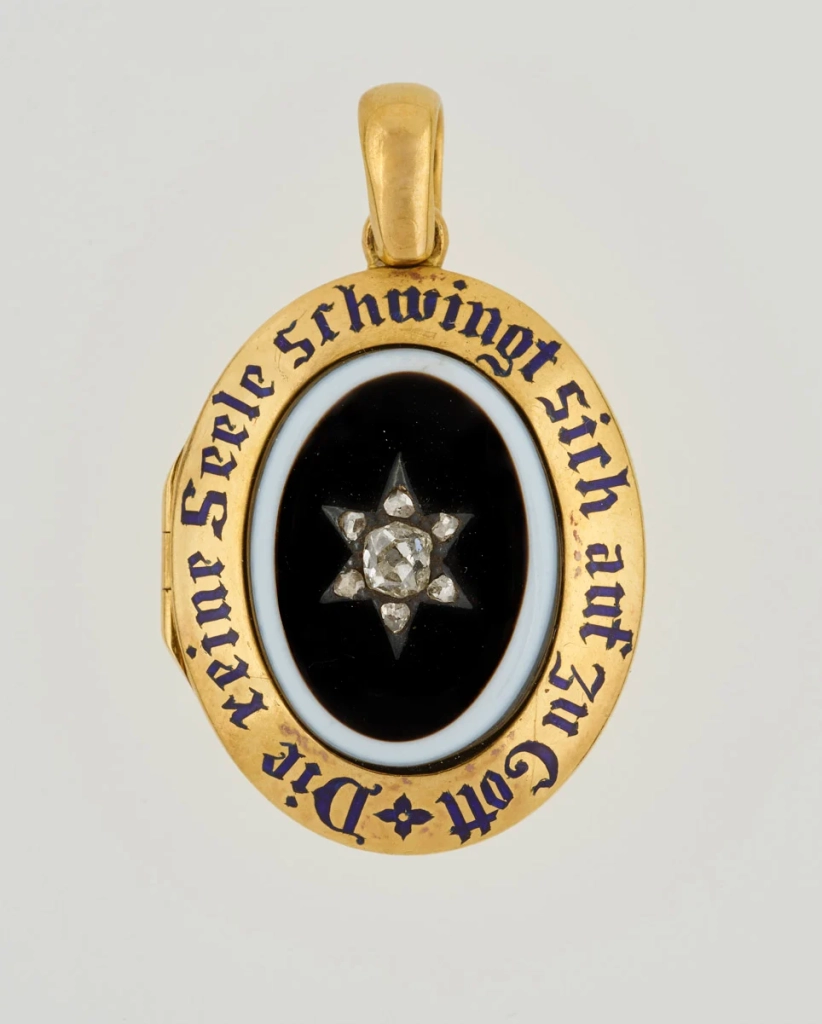
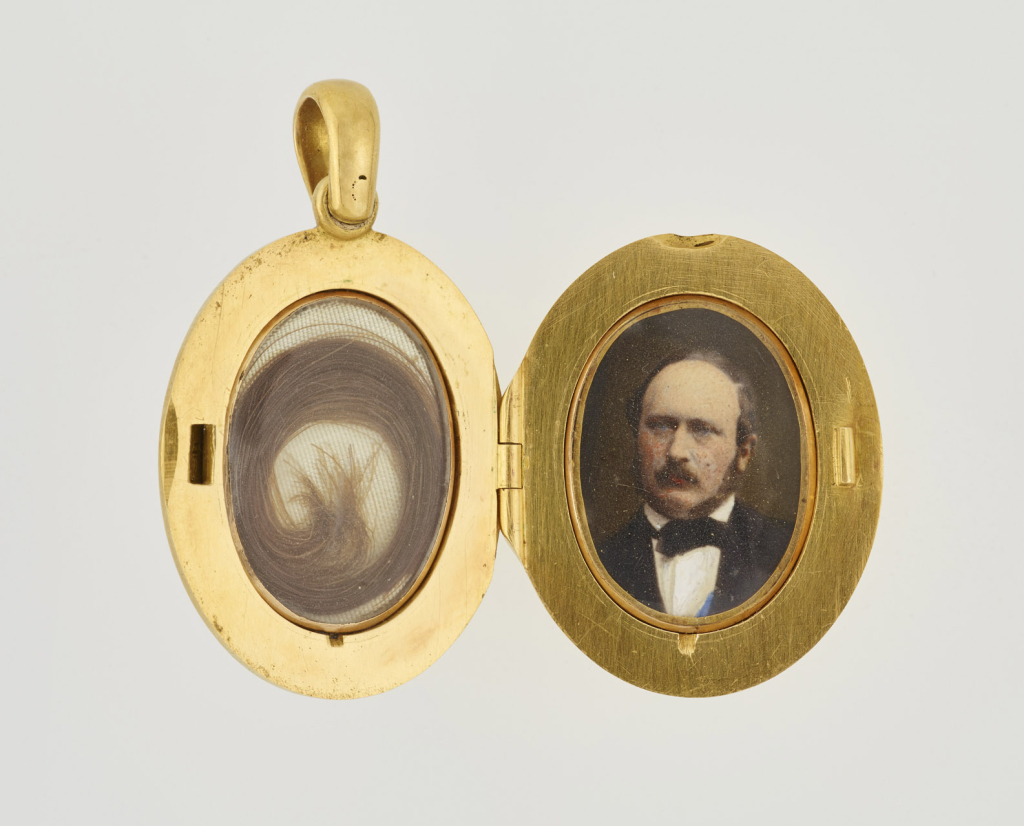
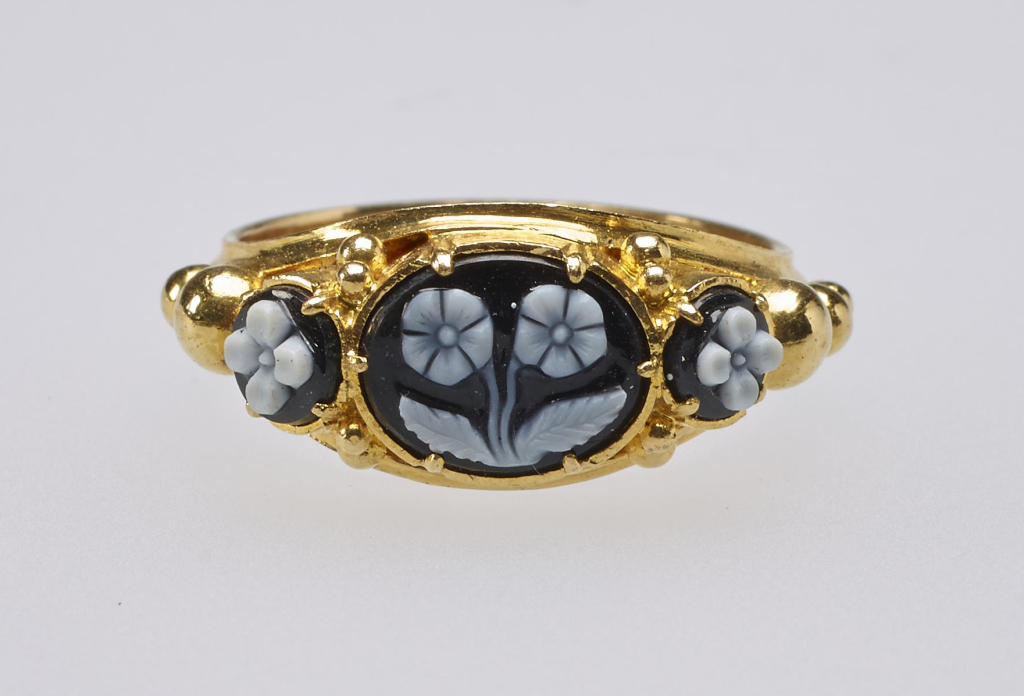
Mourning had to be expressed publicly and could not end too soon. Strict rules dictated what looks and behaviour were acceptable for mourners, especially women. Most ornaments were banned in mourning, with the obvious exception of mourning jewellery.
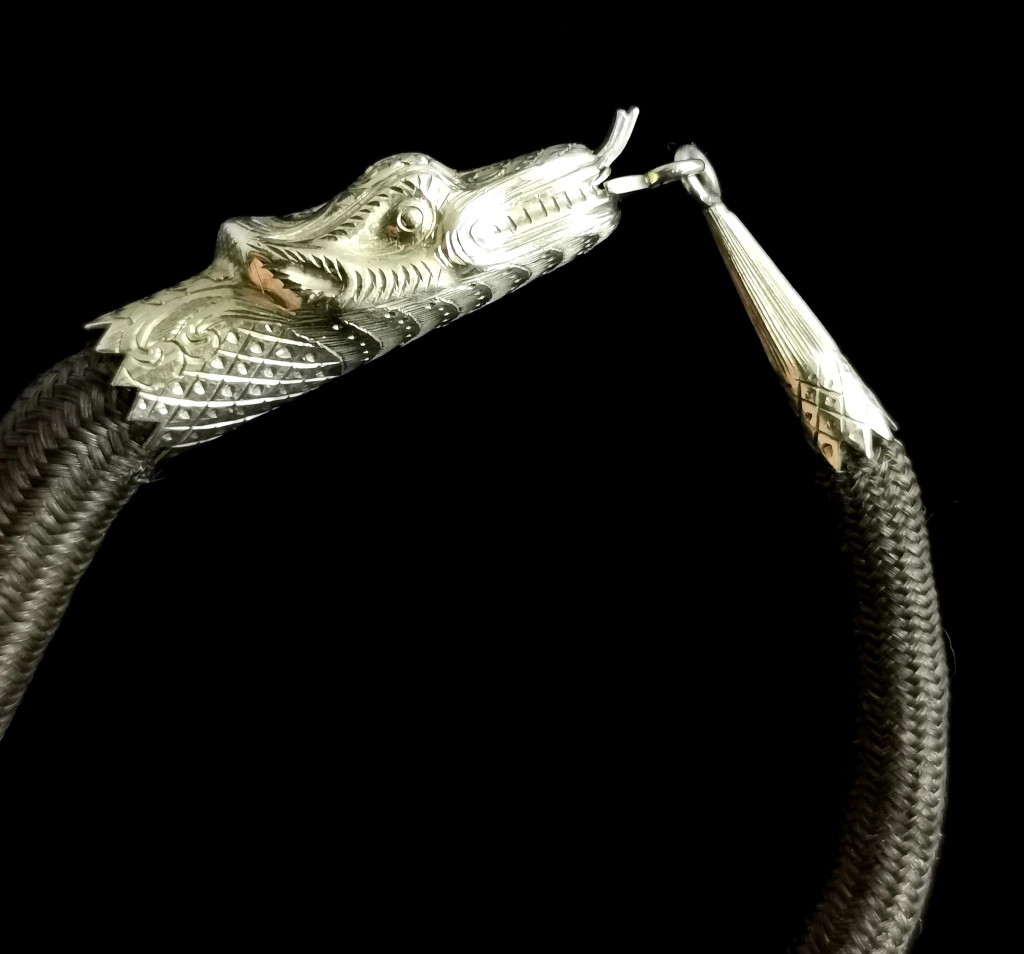
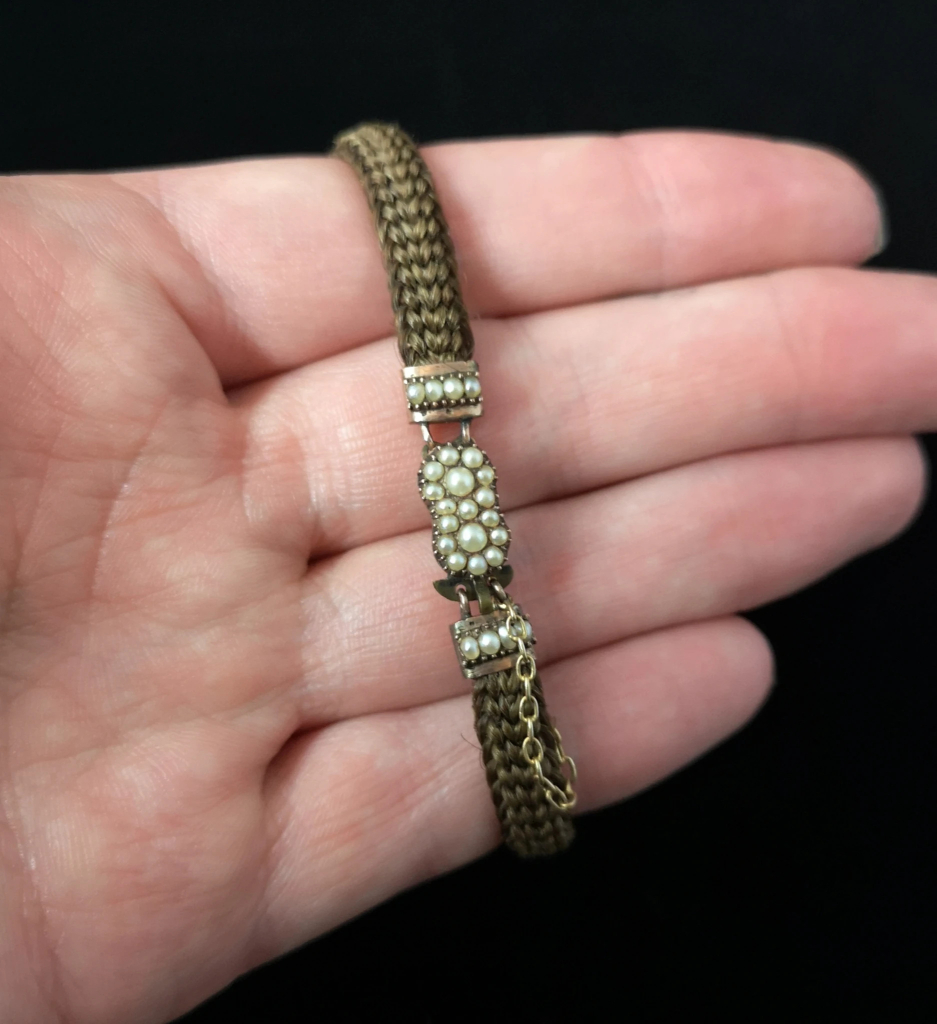
A large fraction of commemorative jewels was made of black Whitby jet, popularized during the Great Exhibition of 1851. This shiny and light mineral proved very easy to carve. It was used to produce the necklaces, bracelets, earrings and other ornaments that are so readily associated with the Victorian era nowadays. The second material that was used in large-scale production was hair. The deceased’s locks, however, were often too meagre or brittle, so in order to satisfy their clients’ substantial demand, English artisans had to import approximately 50 tonnes of human hair a year. Mourning jewellery was handcrafted not only by goldsmiths, but wigmakers and hairdressers as well. Ornaments made from hair were time-consuming and, consequently, expensive. Those who could not afford to commission such ornaments would usually try to make the keepsakes themselves, which was possible due to easily-accessible stencils, books and starter kits. The demand for commemorative jewels was a result of the high mortality rates of those times – in London, the average lifespan of middle- and upper-class men was 44 years, 25 for merchants, and only 22 for labourers.
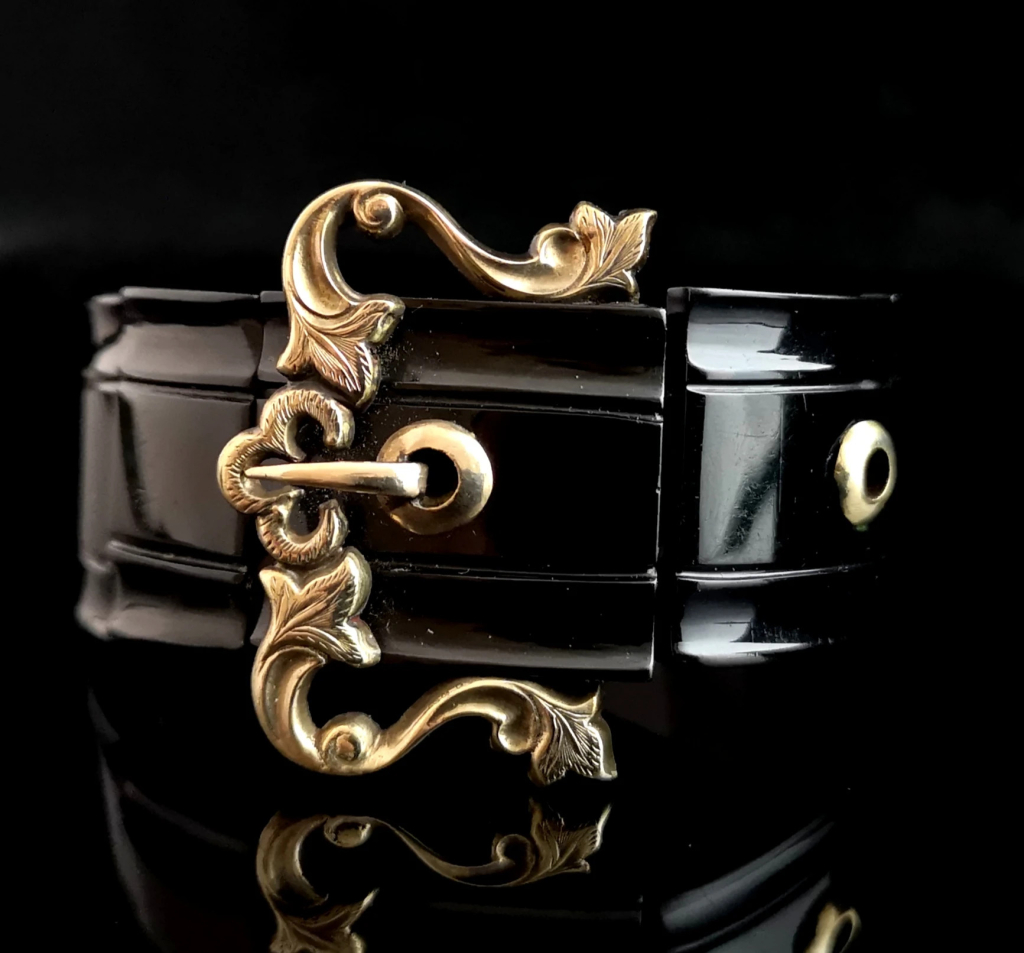
Mourning jewellery was also used outside of Great Britain and the Commonwealth. In partitioned Poland, typical mourning jewels were manufactured alongside unique patriotic ornaments. This so-called black jewellery became popular during the January Uprising; it was worn to express both patriotic values and grief for the owner’s homeland.
Sentimental jewels fell out of fashion at the beginning of the 20th century, although keepsakes reappeared for some time during World War II. When the war ended, however, the custom was forgotten once again. Nowadays, such tokens of remembrance may seem grotesque, but if we look back to the glory days of mourning jewellery without prejudice, it becomes easier to understand its ties to human emotions. Jewels allowed mourners to keep close a small part of the deceased, which helped them express grief and – above all – love. It is a gesture that transcends chronological and cultural boundaries.
Translation: Joanna Piechura

